Hero Image

Children on the Edge Impact: 2025-2026

Children cannot flourish when conflict and poverty shatter their safety, education, and stability. When global systems overlook young lives and deprive communities of the resources to lead their own recovery, cycles of dependency take hold.

Throughout the 2025–2026 financial year, we worked alongside communities in Bangladesh, Myanmar, Uganda, Afghanistan and India to break this cycle so they can create environments where children thrive.

Access our full length 2025 - 2026 Annual Report by clicking below, or scroll down to read the main highlights.

IMPACT FRAMEWORK

We work with communities 'on the edge ' to create environments where children thrive. We do this by investing in six focus areas: Education, Protection, Child Participation, Community Leadership, Advocacy, and Sustainable Change. These are not separate pathways, but overlapping, interlinking areas of focus that ensure our goal for children on the edge is achievable and lasting.

EDUCATION

Objective: We worked with local communities in these areas to remove barriers to access, ensuring the quality standards needed for every child to reach their full potential and partnered with families to support holistic development.

This year, we ensured that:

  • 14,000 children had access to quality education

  • 22,900 parents engaged with their children's learning

  • 765 local teachers were trained and supported

Through scaling mother tongue lessons to over 6,000 Rohingya refugee children, expanding our Cluster Learning model in Uganda, and doubling online schooling for over 2,000 girls from Afghanistan our programmes brought change.

Education Impact: "Ripping Up the Books"

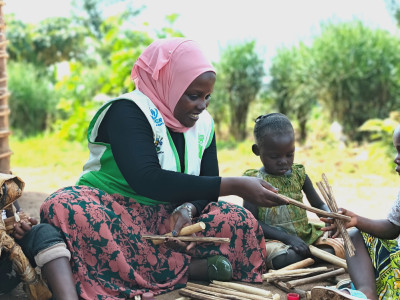
Three years ago, we realised our early childhood education in Kyaka II refugee settlement relied on rote learning, with children memorising books without comprehension. We scrapped the books to build a community-driven, play-based model using upcycled materials. The change this year has been striking, and the model was described by a visiting consultant as the ‘best free-flow play’ she had seen in the settlement. Results have been so good that we caught the attention of the Ugandan government, which invited us to shape the new national Early Years framework.

  • Kyaka II Refugee settlement, Uganda: Data from the new expansion zones showed children demonstrating a jump in independence within just five months of being in the cluster groups, moving into top-tier development ratings. Primary teachers reported that Cluster graduates enter formal education with stronger social skills and English proficiency compared to their peers, and many parents became 'Parent Champions', giving their time to tell others in the community about the benefits of play-based learning.

  • Kachin State: Early Childhood Education boosted children's communication skills, politeness, and peer leadership during play.

  • Afghanistan: Girls secured university places in Portugal, Thailand, and Oxford, alongside five online Sussex University scholarships.

  • Bangladesh: With 93% class attendance and 92% of lessons rated 'good or excellent', 85% of interviewed children said they teach what they've learned to their families, friends and neighbours.

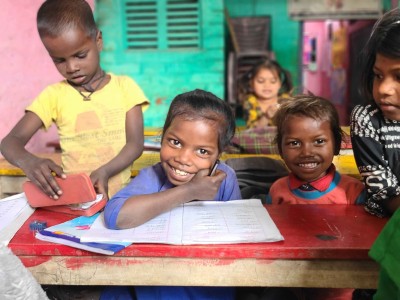
Children's confidence and social skills were boosted by learning through play in Kachin State Myanmar

PROTECTION

Objective: To build robust safety nets by strengthening family units and promoting protective community behaviours to ensure every child is safe from abuse and supported to flourish.

Our flagship protection approach is the Child Protection Team (CPT) model in the Jinja and Karamoja districts of Uganda. This year, trained teams totalling 378 volunteers ensured that:

  • 31,000 children were protected

  • 6,000 community workshops provided child protection training

  • 630 home visits ensured children were safe

We also provided winter clothing kits and hot meals for 557 displaced Kachin children in freezing mountain camps, while mentorship programmes in Kyaka II refugee settlement, Uganda, referred 318 children with disabilities or health concerns to specialist clinical partners.

Protection Impact: "It takes a Village"

As Karamojan villages work together, their interrelated actions are creating an environment where children can thrive. Child Protection volunteers helped families like Ayeba Phillip and Elizabeth build backyard vegetable gardens. Growing spinach, tomatoes, and cabbage nourished their children and generated extra income to pay school fees and buy bicycles and water drums. Gardens like Phillip and Elizabeth’s were such an inspiration; they had the unexpected result of reducing alcoholism in the community. Child Protection Teams disrupted cycles of neglect and made progress in changing the perception of child protection from a taboo topic into an area many local people now see as a collective duty.

  • Myanmar: Parenting training created what local people described as a "protective shield" of warm support at home, boosting children's confidence, emotional resilience, and learning engagement.

  • Uganda (Karamoja): Installing 173 latrines and 225 vegetable gardens eliminated open defecation, reduced child hunger, lowered alcoholism, and funded school attendance.

  • Bangladesh: Teachers led 2,153 health interventions and hygiene lessons, equipping students to identify and prevent disease.

Child Protetction Team member Santina has built latrines in her village and inpired others to do the same. She says "When we practice good hygiene the community will be healthy".

CHILD PARTICIPATION

Objective: To support children to move from being ‘aid recipients’ to active change-makers. We will teach children their rights and provide platforms to have a voice, shape programmes and lead local initiatives.

This year we supported 1,833 Child Council members across 51 councils and ran 76 Child Rights Forums.

Moja Kids is a popular video newsletter produced by children in Bangladesh, connecting over 7,000 peers beyond their challenging environments. Using puppet news anchors and green screens, 400 children submitted ideas and 300 helped create episodes this year.

Interviews showed how Moja Kids has grown from being ‘joyful’ entertainment to a source of creative ambition, inspiring children to try new ideas themselves.

Child Participation Impact: Child Rights Clubs Making Waves

In Karamoja this year, four Child Rights Clubs transformed their communities through drama, song, and advocacy, tackling issues like child labour, trafficking, and education. Working alongside local Child Protection Teams, their ‘Back to School’ campaigns successfully challenged parents and brought peers who had dropped out of education back into the classroom.

These initiatives have built confidence in the children, earning them glowing reputations with local officials and inspiring neighbouring villages to request Child Rights Clubs of their own.

Children on the Edge

“Every programme activity is crafted based on the insights gathered from children’s voices… We create opportunities for children to share their feelings, ideas, and feedback.”  (Ja Awng, Kachin Development Organisation)

COMMUNITY LEADERSHIP AND SUSTAINABILITY

Objective: To champion inclusive local governance by enabling local people to define and own their strategic success. Working toward our own redundancy, we work towards equipping local partners to manage their own funding and systems, ensuring education and protection become permanent, self-sustaining social norms.

This year, we hosted 200 community forums for local decision-making and doubled savings groups to 3,700 members.

  • Uganda: 46 Congolese refugee committees built 39 learning shelters and co-funded up to 38% of teacher salaries.

  • Bangladesh: 51 Rohingya School Management Committees partnered with religious and family leaders to promote education and prevent child marriage.

  • Myanmar: 20 Kachin committees worked with local village and church leaders to maintain safe Early Childhood Education Centres.

  • Afghanistan: We helped partner organisation Afghanistan Education Action transition into an independent, UK-registered charity.

Sustainable Change Impact: Parent-Powered Education

Despite the total withdrawal of international food rations in many refugee situations, local savings groups we support in Uganda have expanded and thrived. In Kyaka II Refugee Settlement, Congolese refugee parents like Furaha Zabayo trained as "Parent Champions" to advocate for early education and manage school costs. Through these micro-savings initiatives, parents independently pooled resources to fund up to 38% of their teachers' salaries, proving that local ownership can keep schools open when global aid disappears.

Community Leadership Impact: Taking Education Home

As displaced Kachin families returned home after ten years in displacement camps, we ran seven village pilot schemes to help them bring our Early Childhood Development model with them. Through village meetings, local leaders and parents raised awareness of education and mapped community needs. This work inspired grassroots leadership, building strong partnerships between village leaders, church groups, women’s groups, and newly formed School Management Committees. As the community leads the way, new centres are running smoothly, with parents providing food and constructing school buildings, shelters, and playgrounds.

Uganda (Karamoja): Communities self-funded latrines and weather-proof classrooms, co-funded teacher salaries, and sold crop seeds to pay for school supplies.

Uganda (Kyaka II): Congolese refugee savings groups provided a financial lifeline when international food rations were cut, with with families at one point able to cover an average of 38% of teacher salaries. 

Bangladesh: 511 School Management Committee members partnered with religious leaders and families to promote education and tackle child marriage.

ADVOCACY

Objective: Bridge the gap between marginalised communities and policy-makers. Support local people to advocate for the enforcement of rights and develop replicable, open-source solutions.

This year we worked to improve policy and practice for communities we support by partnering with local authorities, UN agencies, and universities. Impact highlights included:

  • Handing 18 model classrooms to the UN for camp-wide replication in Bangladesh.

  • Integrating Child Protection Team members into official Sub-county Committees in Karamoja, securing government funding for new boreholes, medical centres, and schools.

  • Children on the Edge Africa being asked to help shape the Ugandan government’s national Early Childhood Education curriculum policy, and take part in the launch event. 

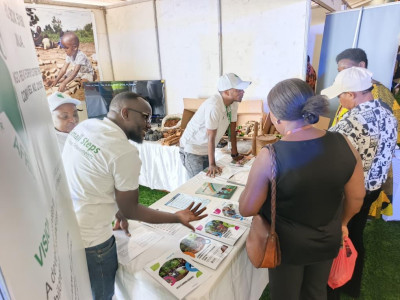
Project Officer Kauthara Giibwa takes part in Ugandan Early Childhood Education Policy launch. Talking about our contribution to the national Early Childhood Education Curriculum, Children on the Edge CEO Winnie Biira says, “I am so proud that we have contributed to the learning and development of children across Uganda. Together, we can restore hope and dignity to the children on the edge in Uganda and across the world.”

Advocacy Impact: Unlocking the Right to Mother-Tongue Literacy

Our mother-tongue education initiative was expanded to over 6,000 Rohingya refugee children in Bangladesh, enabling them to read and write in their own language, achieving foundational literacy in just 6 to 8 weeks and boosting attendance.

Rohingya community surveys showed over 80% of 538 respondents prioritised mother-tongue learning, with nearly 90% wanting to learn the script themselves. Targeted coverage on BBC Radio 4 and Al Jazeera helped to ensure government endorsement to expand across all learning centres, helping preserve Rohingya culture and advance our goal of securing long-term educational rights for 330,000 refugee children.

BUILD WITH US

With 84p in every pound going direct to the children and communities we support, your investment will help local people work together to build environments where children thrive.

Read more

Sign Up


Thank you!

Thanks for subscribing! Welcome to our Community. Keep an eye out for your first email from us.