Hero Image

Written by Esther Smitheram

June 4th, 2026

This article takes 3 min to read

Taking Early Education Home - Communities Rebuild in Kachin State, Myanmar

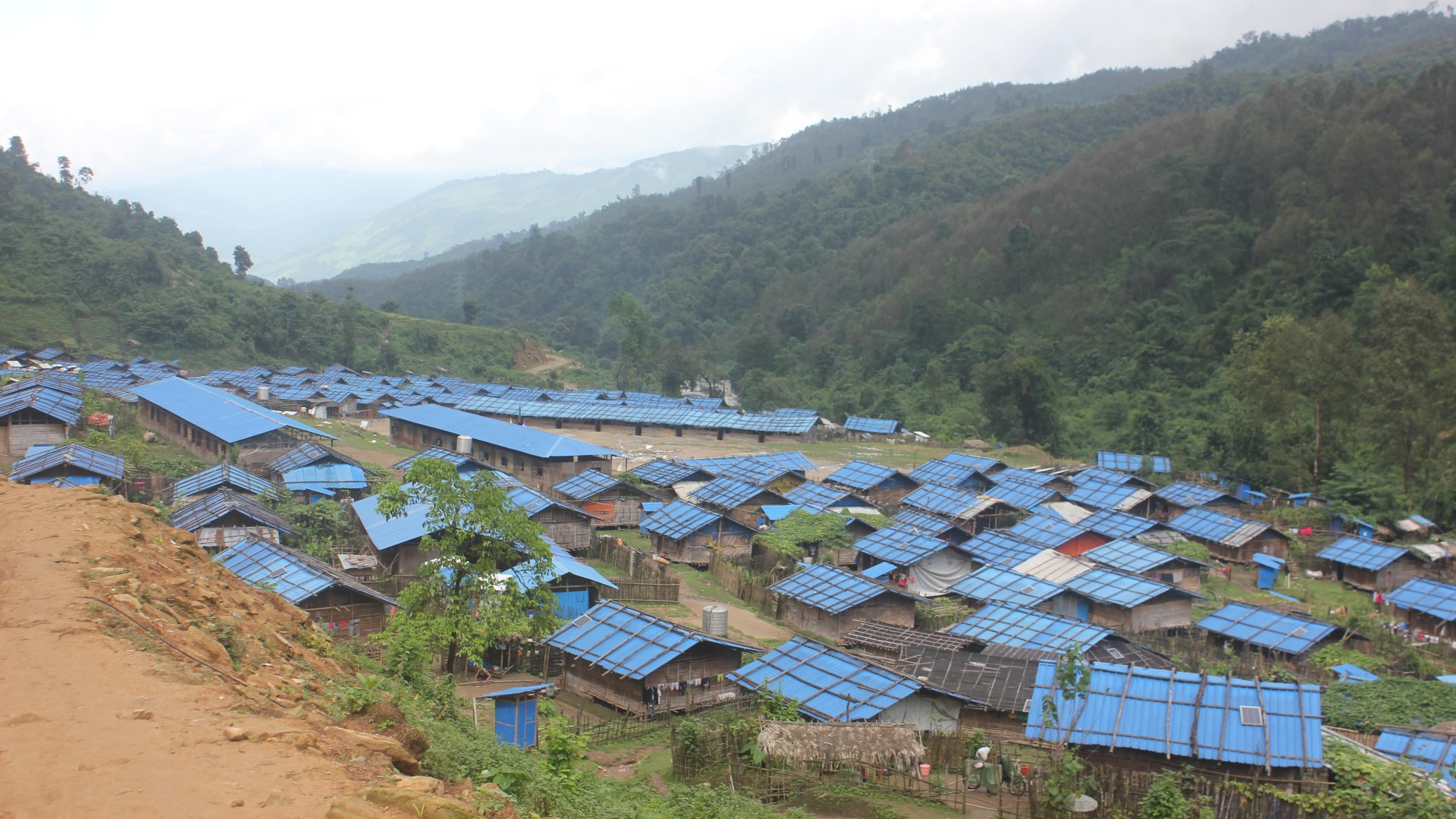
After more than a decade of displacement, families in Kachin State, Myanmar, are finally beginning to return home - and they are taking our early childhood education model with them. 

Despite the ongoing conflict and the harsh realities of rebuilding from scratch, people are steadily leaving Internally Displaced Persons camps to return to their original villages. They are determined to rebuild their lives, and they are carrying our early childhood education model home with them.

As more and more displaced people began returning home this year, we identified seven pilot villages where we could follow these communities and support them in establishing community-led Early Childhood Development centres right in their home areas. 

Across these returnee areas, 147 children at eight village early childhood education centres are now enjoying a high-quality, holistic learning experience. Our local partners began by holding village meetings with local leaders, church groups, women’s groups, and School Management Committees to strengthen awareness of the importance of early years learning and identify local needs. By talking directly with residents, parents learned more about the programme and discovered how they could support their children’s development both at home and at school.

This collaborative approach has been a positive step in developing grassroots leadership from the outset. Where local people are working together, the new centres are already running smoothly with minimal external intervention. Parents and residents are regularly contributing by providing food, preparing daily meals, and helping to build and set up school buildings, shelters, and playgrounds to ensure the centres are well cared for.

After more than ten years of supporting early childhood education in a protracted emergency, these communities are not leaving their progress behind. They are taking what they have learned with them to preserve good foundations for their children well into the future, ensuring that a legacy of quality education takes root where it belongs.

A safe space for learning

Five-year-old Labya Brang Awng loves to learn at his Early Childhood Development Centre. He said, “When I arrive at my learning centre, I enjoy it so much, because I have lots of friends to play games with, and I get to use the toys and games that I like. Our centre is a safe place for us, and all the teachers treat us kindly. Every day, I dance and sing songs with my friends.”

The reality for those remaining, and our response

While many families are returning home, thousands remain trapped along the Kachin-China border in extremely challenging conditions. The fifteen-year conflict remains intense, and a surge in fighting recently displaced an estimated 32,000 more people. With international aid agencies largely overlooking this remote mountainous region, families face skyrocketing inflation, severe food scarcity, and freezing winters with nowhere else to go.

Against this backdrop, we continue to run 12 early childhood education centres in eight camps, providing a haven for 410 young learners. Most of these children have only ever known war, but along with quality learning,  these safe spaces offer stability, daily hot meals, and warm clothing. By continuing to train local teachers and parents, we ensure that the children who remain still have a nurturing space to learn, play, and recover from trauma.

We’re celebrating an incredible decade of generous support from Chao Foundation and the Transparent Fish Fund, who have been absolutely instrumental in maintaining safe spaces where displaced children in Kachin State, Myanmar, can learn, play, and grow.

They have tenaciously backed this work through thick and thin, ensuring quality early childhood education provision continues against the backdrop of an often-overlooked civil war.

We’re extremely excited to partner with them this year to support children who remain in the displacement camps and those returning to their home villages.

Read more

Sign Up


Thank you!

Thanks for subscribing! Welcome to our Community. Keep an eye out for your first email from us.