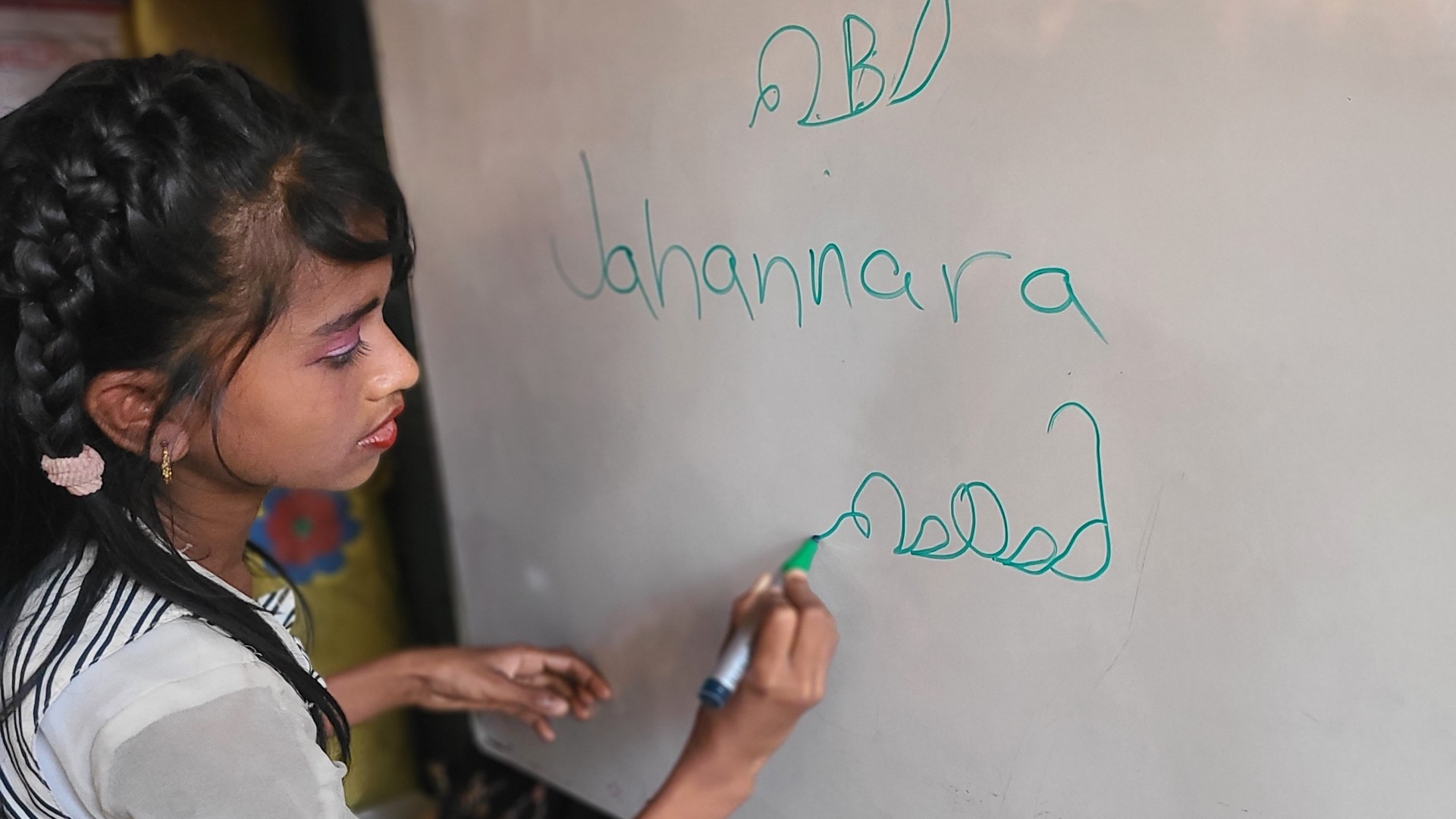
Rohingya girl in sat at refugee classroom desk with lapel microphone
Esther Smitheram and Jemma Gilpin - Communications Team at Children on the Edge

Written by Communications Team

February 1st, 2026

This article takes 4 min to read

BBC Radio 4 Appeal Raises £50,000 for Rohingya Language Education

When actress Susannah Fielding took to the airwaves in October 2025 for our BBC Radio 4 Appeal, we knew we were sharing a vital story, but we could not have predicted the wave of giving that followed. 

Thanks to the response of listeners, our faithful supporters, and HandSpark Charitable Trust who matched all donations up to £25,000, we smashed our target and raised over £50,000.

Creating Access to Mother Tongue Education

If you missed our broadcast, the good news is that you can still listen on BBC Sounds.

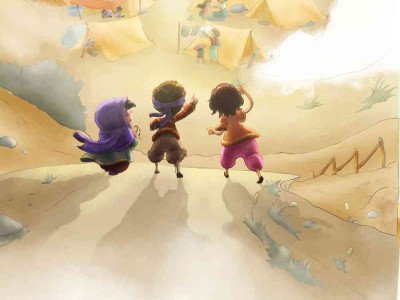
At the heart of our appeal was the story of 11-year-old Romaina. She lives with her family in Kutupalong camp in Bangladesh, home to over 1.2 million Rohingya refugees who have fled violence in Myanmar. 

For generations, the Rohingya community, often described as the most persecuted minority in the world, has been denied the right to learn in their own language. For years, Romaina and her peers were taught only in Burmese, a language they and their teachers barely understood.

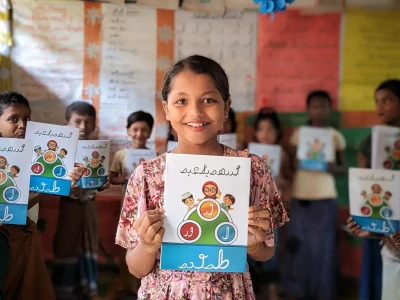
Everything changed when Children on the Edge introduced lessons in Hanifi, an alphabet designed specifically for the Rohingya native tongue. For the first time, the letters on the page matched the words Romaina spoke at home.

Rohingya girl sits at desk and smiles as camera man sets up to record her interview

Romaina recording her story for our BBC Radio 4 Appeal with the Mukti Cox's Bazar digital team.

"Most people in my community cannot read or write, so now I really want to become a well-educated and skilled person. I know I can use what I have learned to help change our future." - Romaina

'MORE THAN AN EDUCATION'

Funds raised through our BBC Radio 4 Appeal are already at work, ensuring meaningful education for thousands of Rohingya children, and affirming that culture is something to be celebrated, not silenced. Donations are doing much more than providing books and desks. They are keeping our learning centres open, providing essential materials and training for teachers, and protecting a heritage that was once at risk of being erased. For a community that has lost so much, real education is a vital step towards a brighter future. 

Rohingya boy Aziz sat in class wearing striped shirt smiling with pen and textbook

12-year-old Aziz has lived in the camps since he was three, but he still remembers the day his life changed. He recalls the sky turning black with smoke as his village in Myanmar was set on fire, and the long, terrifying journey to the border, where his father carried him over the river to Bangladesh. After years of what felt like basic survival, Aziz says the introduction of native language learning has been life-altering.

"Before, we only heard stories; now, we are writing them down. We are documenting our history and expressing our emotions in our own tongue for the first time. This language is our identity. It ensures the next generation won’t lose who they are. You have given us more than an education; you have put the key to our own language back in our hands". Aziz

WHY LANGUAGE MATTERS

"If you walk through the camps, all you hear spoken is Rohingya."

Take a minute to watch this short video from the Kutupalong camp. It's a chance to hear members of the Rohingya community describe why every person should have the opportunity to learn in their own language, and the difference it will make for them in the future.

A special thank you

Along with our huge thanks to over 260 generous people who donated, we want to say a special thank you to the team at BBC Radio 4 Charity Appeals for your advice and support, and to Susannah Fielding for lending us both your time and your talent. We also want to thank Romaina and Sadeq for sharing your stories and hopes for the future, and to the digital team at Mukti Cox’s Bazar for bringing the work alive with your skills. Lastly, to our generous match fund foundation, HandSpark Charitable Trust, who literally made double the difference.

Actress Susannah Fielding smiles after recording Children on the Edge BBC Radio 4 interview at studio
Rohingya children smile holding up mother tongue language exercise books in Kutupalong camp
Actress Susannah Fielding and Children on the Edge COO Ben Wilkes stand outside BBC Studios
Rohingya boy Sadeq sits at desk folds arms and looks at camera for his Children on the Edge BBC Radio 4 Appeal interview

Donate Today

Your support can continue to help Rohingya refugee children learn in their own language, paving the way for a brighter future.

£30 could pay for a child like Romaina to have a whole term of lessons in a language they understand.

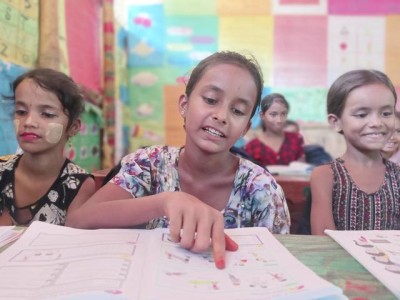
Group of young learners holding up new textbooks in their classroom

Sign Up


Thank you!

Thanks for subscribing! Welcome to our Community. Keep an eye out for your first email from us.